|
Published:
May 4, 2015

Digital Filmmaking For Kids For Dummies

Overview

The easy way for kids to get started with filmmaking

If you've been bitten by the filmmaking bug—even if you don't have a background in video or access to fancy equipment—Digital Filmmaking For Kids makes it easy to get up and running with digital filmmaking! This fun and friendly guide walks you through a ton of cool projects that introduce you to all stages of filmmaking. Packed with full-color photos, easy-to-follow instruction, and simple examples, it shows you how to write a script, create a storyboard, pick a set, light a scene, master top-quality sound, frame and shoot, edit, add special effects, and share your finished product with friends or a global audience.

Anyone can take a selfie or upload a silly video to YouTube—but it takes practice and skill to shoot professional-looking frames and make your own short film. Written by a film and video professional who has taught hundreds of students, this kid-accessible guide provides you with hands-on projects that make it fun to learn all aspects of video production, from planning to scripting to filming to editing. Plus, it includes access to videos that highlight and demonstrate skills covered in the book, making learning even easier and less intimidating to grasp.

  • Create a film using the tools at hand
  • Plan, script, light and shoot your video
  • Edit and share your film
  • Plan a video project from start to finish

If you're a student aged 7–16 with an interest in creating and sharing your self-made video, this friendly guide lights the way for your start in digital filmmaking.

Read More

About The Author

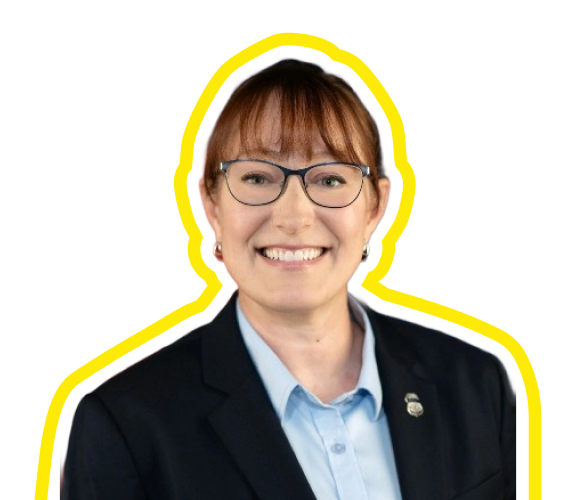
Nick Willoughby heads Filmmaking For Kids and Film Future, a pair of programs designed to teach kids aged 7-16 the various aspects of filmmaking. Nick is also a writer and director for 7 Stream Media, a video and media production firm based in the UK.

Sample Chapters

digital filmmaking for kids for dummies

CHEAT SHEET

Digital filmmaking is the process of creating and telling a story or presenting information through the art of film using digital video cameras. Basically, it’s a way creative people like you can turn the ideas in your heads into films audiences can watch on movie screens, TVs, or computers.You can assemble a team to create your film, audition and hire actors, and then shoot your film.

HAVE THIS BOOK?

Articles from
the book

Checking your footage after each scene you film should become a habit. It’s a good idea to check shots straight after they have been filmed before you move on to the next shot. The last thing you want to do is import your footage at the end of the day and find there are problems with your footage and you can’t use it in the edit.
Coming up with an idea can be one of the hardest parts of filmmaking, but it can be the most exciting, too. When thinking about making a film trailer, it’s important to decide on the genre of your film. What is a genre? A genre is the type, style, or category of film. The following list describes most of the main film genres: Action: Usually a big-budget film that uses high energy, excitement, stunts, chases, explosions, fights, and larger‐than‐life heroes to tell the story.
Most camcorders now have audio meters. They allow you to see how loud or how soft the sound being recorded is in your digital film. The audio meters usually appear on the LCD monitor on your camcorder. You can use these meters to check the levels of the sound before filming and to make sure that the sound you’re recording isn’t so loud it will distort or isn’t so quiet the audience won’t be able to hear the dialogue.
Many editing tools are available for your digital film, and they are all different in the effects they offer and the way they work. But the basic functions of editing tools are similar. Film editing tools allow you to import footage from your camera or media card, cut and arrange your clips on a timeline, add transitions, and then export what’s in your timeline to a final movie.
As a filmmaker, the most important people to you are the audience — they’re one of the reasons you make films. It’s important to avoid upsetting or distracting your audience. One easy way to distract them is called crossing the line or crossing the axis. This happens when the audience’s view of a scene changes so drastically that viewers end up distracted or confused.
Digital filmmaking is the process of creating and telling a story or presenting information through the art of film using digital video cameras. Basically, it’s a way creative people like you can turn the ideas in your heads into films audiences can watch on movie screens, TVs, or computers.You can assemble a team to create your film, audition and hire actors, and then shoot your film.
There are a number of different editing applications that will help you edit your digital film. Although these applications have a number of differences, the keyboard shortcuts are generally the same across all applications. Here are some keyboard shortcuts that can help with the editing process. Keyboard Sho
Filmmaking auditions can be quite stressful, so they’re also a good way to see how an actor works under pressure. This can give you an idea of how the actor will behave in front of a camera. After all, even the most confident person can go shy when a camera is pointed at them. Auditions can also be good experience for the actor, especially if acting is something he or she wants to do as a career.
This video provides tips for maintaining continuity and getting the right number of takes when shooting your own digital videos. What is continuity? Well, it's keeping things — big and small — the same from one shot to the next. Have you ever watched a television show or a movie and noticed that in the middle of a conversation one of the characters seems to have removed a tie?
There are different styles and ways to present information in a documentary. The style you choose for your digital film should depend on the way you think the information should be presented and the style you think would best suit the audience you’re aiming at. The following list explains more about the different styles you can use within your documentary film: Direct: A traditional way of presenting information usually using a voiceover to explain to the audience directly what’s being shown onscreen.
Interviewing someone on camera can be tricky; this video gives you some tips on how to position and frame your interview subjects and how to direct them. It’s a good idea to plan your film before beginning the interview. Knowing how to frame your interview subject will help improve your digital film. First, you need to decide on the type of shot you're going to use for your interview subject.
The key to recording dialogue in digital filmmaking is placing the microphone as close as possible to your actor without the microphone appearing in the shot. Also, aiming the microphone in the direction of the sound helps to keep the dialogue clear. Aiming your microphone can help you get a clear sound. If you’re using an external microphone on a boom pole or a handheld, it’s important to keep it as still as possible when recording because this prevents the device from picking up any noises from the boom operator.
Filming from different angles and levels can affect the mood or feel of a shot. Filmmakers use levels all the time to help tell their story and to effect the way the audience should feel about a character. Adding different levels to your scenes means changing the height of the camera in relation to your subject.
This video shows you how to add movement when shooting digital video with a tripod by demonstrating how to take a pan shot and how to take a tilt shot. For a pan shot, you move the camera in the same direction as the actors (right to left or left to right horizontally). You move the camera along with the actors.
Your choice whether to use a fixed camera position or a moving camera for your digital film depends on the feel, mood, and emotion you want to create in the shot. It’s amazing what a small amount of movement from the camera can do to a shot. The art of film is wonderful because you can use all these different types of shots within a scene.
Characters are essential to a digital film because they tell the story through what they do and say. Audiences may not realize it but they build relationships with the characters in a film: They either love them or hate them. It’s good to have characters that are different from each other because it adds to the realism of your film.
Filming a documentary like the one shown in this video begins with the choice of topic and lots of research and includes a structure with a strong beginning, middle, and end. Documentaries are videos or films that present factual or non‐fictional information. A documentary normally uses real people, places, and events to tell a true story or to present information that engages the audience.
When shooting a film trailer like the one shown in this video, you need to structure your film around the film's genre, including an introduction, the characters, the right emotions, and a strong ending. A film trailer is a short video, usually under two‐and‐a‐half minutes, made to advertise and promote the full‐length version of a film.
A short film, like Lost in Time shown here, is a great way of telling your story in a small amount time and with a low budget.A short film, like Lost in Time shown here, is a great way of telling your story in a small amount time and with a low budget. Making a film involves teamwork. Build your team with people you know you can work with.
The summary at the beginning of your documentary film is a great way to introduce the topic. This summary can be made up of footage and interview clips from the main section. You could also write a voiceover to help introduce the topic. It’s a good idea to create the introduction summary toward the end of filming, because you know what you can use from the footage you have already filmed.
Sound operators often have wind problems when filming outside. Not that kind of wind — the sky kind of wind! When filming outside, you may pick up noise from the wind through the microphone, which can sometimes make your actors’ dialogue hard to hear. The noise is caused by the wind hitting the microphone. If you’re not sure what this sounds like, try gently blowing on the microphone on your camera and listen through the headphones — it’s not a nice sound at all.
Locations for mainstream films are normally found by a location scout, whose job is to use the script to find buildings, fields, forests, and other locations that suit the scenes in a film. How simple can you make a location? This is one of the first things you should think about when location hunting. If your scene is set on top of the Eiffel Tower, does it have to be there?
Whatever you think of your digital film, don’t let that stop you from sharing it and getting feedback from other people. Your audience’s thoughts and opinions on your film are important to the development of your skills as a filmmaker. Aim to get as many reviews as possible. Choosing reviewers from different ages and genders will give you a clearer and more fair result.
It’s a good idea to choose a topic for your documentary that interests you, because it’s your interest that will drive you to complete your digital film. It’s also important to choose a topic that you think your audience will enjoy or find interesting. No matter how enthusiastic you are, making a documentary about paint drying really won’t captivate any audience.
There are times when a filmmaker needs to record sound using a separate device from the camera, to record sound separately and then sync the sound to the video later, when editing. Usually, the reason for this is to increase the quality of the recorded sound because many cameras don’t record sound as well as external recorders can.
You just press Record, right? Making your digital film is not quite as simple as that. Take your time. It’s important not to rush when setting up your camera. Rushing can lead to mistakes. It’s a good idea to make sure everything is set up before you call the actors in. If they arrive early, get them to read through their lines while you prepare for the shot.
Recording sound with an external microphone can produce better results for your digital film than using an onboard microphone because it allows you to place your camera in one position and then record sound from a position that’s closer to your subject or character. This also helps reduce unwanted background noise.
Has anyone ever told you “you are your own worst critic”? This means that sometimes you spot mistakes or problems in your digital film that others wouldn’t notice. Seeing these otherwise‐invisible flaws is a common ailment in the creative arts. In fact, you may find your finished film hard to watch because you’ll notice all those mistakes or things you could have done better.
Let’s say you have a queue of people fighting over the main part in your digital film, and you’re wondering whom you should choose. Well, running auditions is the answer. Auditions are a great way to give your potential cast the opportunity to show how good they are and why they deserve a part in your film. Find good actors for your film through auditions.
Sharing your digital film with your family and friends is great, but you may want to reach a wider audience. Sharing the film on a video‐hosting site like YouTube is a way to do that. The library of videos on YouTube gets billions of views every day, and some videos there have been viewed hundreds of millions of times.
Planning your documentary film is essential because you want to make sure you have all the information needed before you start filming. When you’ve done your research and you have all the information about your topic you need, you can structure your info film in a way that captures the attention and interest of your audience.
Film trailers are created to show the audience what the film is about and to encourage them to want to see it when it’s released. It’s important to not show too much of the storyline; otherwise people won’t want to see the finished film — they’ll already know what happens from the trailer! The following list describes a few things you may wish to include in your trailer.
Nearly all digital camcorders now have built-in microphones called onboard microphones. On the latest cameras, onboard microphones are better than they used to be, but they’re still not the best solution for recording audio or dialogue in film. Still, at the moment an onboard microphone may be your only solution, so it’s good to know how to get the best results from the on‐board microphone on your camera.
If your documentary film will include interviews, you may wish to shoot them first, because your subjects’ answers may help you choose what to include in the rest of the documentary. The subjects that you are interviewing are unlikely to be actors or people used to being on camera, so it’s very likely that they’ll be nervous, and they may make mistakes.
During a film shoot, you’ll be capturing a lot of footage. Because your actors made some mistakes or because you wanted to take a few extra shots for safety, you may end up with several versions of the same angle or shot. During editing, these shots will look similar, which makes it hard to know which shot was the one you liked the best.
There are so many different roles in digital filmmaking. You can see this when you watch the credits at the end of a mainstream film: The credits seem to go on for ages at the end of a film as they thank all the people involved, from the actors to the costume designers. The following list describes some of the main roles in making a film.
There are so many different roles in filmmaking. You can see this when you watch the credits at the end of a mainstream film: The credits seem to go on for ages at the end of a film as they thank all the people involved, from the actors to the costume designers. Here some of the main roles in making a film: Writer The person who writes the story and script for filming.
Interviewing someone on camera can be tricky; this video gives you some tips on how to position and frame your interview subjects and how to direct them. First, you need to decide on the type of shot you're going to use. Mid shots and close-ups tend to look best when someone is just talking. You want to see their expressions and possibly their hand movements.
As a director, it’s your job to bring the film to life through the way your actors play the characters and how the crew film each shot. The director works with the actors and crew to get the best from them and make sure the story is being told through what they do. Directing your actors When filming, the director works closely with the actors to get the best from them and help them perform the character in the way the writer imagined.
Documentaries can be interesting projects if you have chosen a compelling idea that you are passionate about. There are a few ways you can make your film stand out from the crowd. Record clean sound Because you’ll be filming the interviews in mid shots or close‐up shots, get the microphone fairly close to your subject.
Digital filmmaking is a fun art form. You get to make lots of decisions that affect how the audience will view your film. When shooting your film or trailer, here are a few tips to help enhance your shots. Check for continuity mistakes: Have you ever watched a film and noticed that the actor has picked something up in his left hand then in the next shot has it in his right hand or there is a glass of coke on the table and it’s half full and then in the next shot suddenly it’s empty?
Every successful digital video director who works with actors can benefit from the tips offered in this video. You discover how to treat actors before filming and what type of direction they expect from you. First, you need to build a good relationship with your actors. You don't have to be their best friends, but you need to treat them with respect.
In this video, you learn about the rule of thirds for framing digital video shots and gain a better understanding of the types of shots in filmmaking you can take from extreme wide shots to extreme close-ups. The rule of thirds, although not a rule that can't be broken in filmmaking, is all about how to frame a shot or where to place the subject in the scene.
You can use colored gels and filters to achieve certain effects in your digital film. There are different colors of light, which is measured in kelvin. This determines how cold or how warm the color of light is. Daylight is in the middle of the scale. If your shot is cold or too blue in color, then you can set your camera’s white balance higher to make the shot look warmer and more natural.
Have you ever thought about why your favorite film is your favorite film? Is it the actors? Is it the special effects? Or is it the story? A good story is made up of a beginning, middle, and end. This is also known as a three‐act structure. Without these three sections, the audience may feel confused or as if they have missed something.
You may end up filming the scenes in your digital film out of order — you may want to shoot all the scenes in one location at one time or all nighttime scenes together. For this reason, creating separate storyboards for each scene is important so you can put your storyboards into the order they’ll be filmed. A storyboard can also be used to make notes about a scene, including information about what the actors are wearing and details about props.
https://cdn.prod.website-files.com/6630d85d73068bc09c7c436c/69195ee32d5c606051d9f433_4.%20All%20For%20You.mp3

Frequently Asked Questions

No items found.