

 Main Menu
Book & Article Categories
- Main Menu
Book & Article Categories
- Main Menu
Collections
Explore all collections
Gardening: Expert Guides and Resources
Articles & Books From Gardening
Step by Step / Updated 06-12-2026
Perennial plant division is a straightforward gardening technique used to keep your garden healthy by splitting overgrown clumps into smaller, vigorous plants. You'll know it's time for dividing perennials when clumps become dense, the interior becomes disappointingly unproductive, and the flower show isn’t as prolific as it was in previous years.
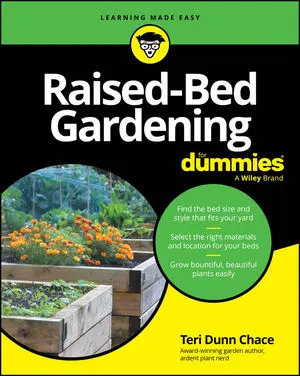
An easy, step-by-step guide to a fun and relaxing form of gardening Interested in exploring gardening but worried you don’t have enough time or space? Concerned that the constant bending and stooping might create a problem for you physically? Then it’s time you discovered raised-bed gardening. In Raised-Bed Gardening For Dummies, experienced gardener and author, Teri Chace, delivers a practical and hands-on guide to a rewarding and physically accessible style of gardening you can get the hang of immediately.
Cheat Sheet / Updated 02-24-2026
Raised beds make growing healthy, productive plants amazingly easy. That’s because you can fill a bed with an excellent soil mix to create an environment plants relish: warm, nourishing, and well-drained. Installing and using them isn’t difficult and the rewards are great. Here’s a handy reference to keep near as you embark on this exciting new gardening adventure.
Cheat Sheet / Updated 02-23-2024
Once you know what makes houseplants happy, growing them is a snap. If you start with one of the 10 easy houseplants I suggest and then follow the guidelines and tips in this Cheat Sheet, you’ll have a green thumb before you know it. You can then join the large and growing clan of dedicated houseplant lovers, and you may even decide to branch out with more difficult plants or crafts, such as creating your own corsage.
Article / Updated 02-22-2024
A corsage is a wearable flower arrangement. Although some people think corsages are unfashionable (or even corny), I guarantee that if you make one for yourself or your partner for a special occasion, you’ll get loads of compliments.Many houseplants’ flowers and foliage make stunning and long-lasting corsages, and you can create one yourself relatively quickly.

Become the best plant parent you can be Houseplant hysteria is here to stay. For new and seasoned plant owners alike, Houseplants & Succulents For Dummies is the ideal resource on plant care, growing cycles, unique plant varieties, and all the essentials you need to know about your rooted friends. Ensure that your sprouts grow and thrive, with tons of tips and answers to all your questions.
Article / Updated 08-03-2023
After you choose a good sunny spot for your vegetable garden and draw a plan on paper, you need to clean up the area so the soil will be easier to work. ©New Africa / Adobe StockYou can clear your garden area any time during the year, but the season before planting works best — clear in the fall for spring planting, or clear in the spring for summer or fall planting.
Article / Updated 08-03-2023
To get all the best flavor and highest nutritional value from your vegetables, you need to pick them at just the right time. Some vegetables taste terrible if you pick them too early; others are tough and stringy if you pick them too late. ©Jacob Lund / Adobe StockAnd after you pick your vegetables, what if you can’t eat them right away?
Article / Updated 06-06-2023
Before you reach for the insecticide sprayer to attack pests in your vegetable garden, try some of these lower-impact methods to reduce problems from harmful insects and diseases. Often, a pest problem in a garden can be averted before it actually becomes a problem. Plant your vegetables in the proper locations.
Article / Updated 04-27-2023
If you're trying to conserve water for your yard and garden, it's worth looking into the various ways you can grab and save this precious resource — thereby not having to turn on the house spigot.Water collection is easy, convenient, affordable … and smart. The two main options are rain barrels and cisterns. You may hear these projects referred to as rainwater harvesting.