|
Published:
September 15, 2025

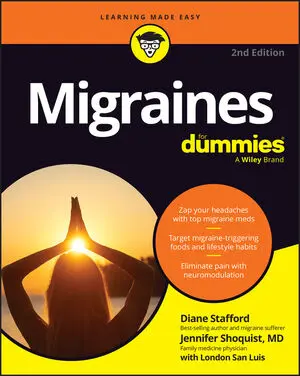
Migraines For Dummies

Overview

Listen up and lock down today's best migraine pain solutions

Haven't you spent enough time juggling schedules and cancelling events when headache pain sidelined you? You can put those days behind you with up-to-date information on the when-why-how of migraines and a whole-of-body approach to micromanaging them. Migraines For Dummies supplies the answers you've been looking for in the form of straightforward explanations and reliable advice to help you tackle symptoms, avoid triggers, and find the best medical support. You'll explore new drug therapies, including prescription meds, over-the-counter drugs, nerve stimulators, and alternative remedies. Plus, learn how to reduce migraine frequency by tweaking diet, sleep, and exercise. Updated with the latest research, this Dummies guide shows you how to balance medical care and lifestyle adjustments to fix that aching head of yours and upgrade your quality of life once and for all.

  • Resolve migraine pain with new neuromodulation devices that trick your brain
  • Identify foods and lifestyle habits that trigger your migraines
  • Discover great ways to manage migraines in early, middle, and elder years
  • Find out how to avoid the mistake of doubling down on medications

Millions suffer from migraines. That's why it's key to stay on top of developments in diagnosis and treatment. If you or someone you love wrestles with headaches on a regular basis, let Migraines For Dummies deliver topnotch ideas that will change your life forever.

Read More

About The Author

Diane Stafford is a health writer who has written 14 books over more than 20 years. She has extensive personal experience dealing with migraines.

Jennifer Shoquist, MD, is a family medicine physician with 18 years’ experience treating patients. She is especially passionate about treating people with migraines.

Sample Chapters

migraines for dummies

CHEAT SHEET

Besides a side-splitting headache, a variety of symptoms can occur when you have a migraine. Identifying common migraine signs will help: determine triggers (causes), create a plan to prevent migraines, and recognize warning signals that require medical attention. Steer clear of migraine myths so they don't h

HAVE THIS BOOK?

Articles from
the book

Whether internal or external, anything that sets a migraine attack in motion is a trigger. Take a look at the following categories of common migraine instigators so you can track potential triggers for your headaches and steer clear of them in the future: Environment: Weather changes, high altitude, bright li
Headaches aren't the only symptom of migraines. Migraines are an umbrella for multiple symptoms, and everyone experiences a migraine a little bit differently. How do you know you have a migraine? The following are the hallmarks of a migraine headache: A drooping eyelid (more common in cluster headaches but it can happen in migraines) Bloodshot eyes Cold hands and feet or feeling hot all over Flushed or pale face or a very red face Frequent, regular headaches Moderate to severe pain Pain lasts several hours to three days Tender scalp Throbbing pain on one or both sides of the head Feeling better after sleeping Associated symptoms include nausea, vomiting, visual disturbances, sensitivity to loud noises and light, and feeling depressed.
Falling into the trap of migraine myths can prevent people from being diagnosed and treated properly. Migraines are valid problems. Migraine myths abound and some of the following are the more common misconceptions and the real story: Your doctor would have already told you if you actually had migraines. Not necessarily!
So you go to see your doctor, and — oops! — you discover that she's just not "into" headache diagnosis. If you're not happy with her response to your concerns, shop around for another doctor. Find a doctor who'll agree to team up with you on a treatment plan. Some primary care doctors are old hands at treating headaches, while others may want to refer you to a headache specialist for diagnosis and treatment.
As if migraines aren't big enough mischief-makers as it is, they also like to sing show tunes and take on different personas. So here we turn to migraine variants — the exceptions and odd lots that make finding your way to migraine diagnosis and treatment quite a challenging proposition. Abdominal migraines Abdominal migraines, which are sometimes diagnosed in children, are unusual because they cause pain in the stomach and lead to nausea and vomiting (sometimes without a headache).
Several types of massage can be helpful in relieving the pain of migraine headaches. But there aren't enough studies to show how effective — or ineffective — these therapies are. Typically, migraine sufferers who benefit from massage use it as one component of their pain-relief plan, along with medications, lifestyle changes, and so on.
Whether you've been dealing with migraines for some time or you've never experienced one, make yourself aware of the symptoms that require medical attention. Severe headaches should not be taken lightly, if you experience any of the following symptoms, see a doctor as soon as possible: A headache accompanied by a stiff neck, fever, or rash.
Besides a side-splitting headache, a variety of symptoms can occur when you have a migraine. Identifying common migraine signs will help: determine triggers (causes), create a plan to prevent migraines, and recognize warning signals that require medical attention. Steer clear of migraine myths so they don't h
A rebound headache is a headache that you end up with just because you go in search of a little relief from the constant pounding in your noggin. You feel bad, so you take a pill — you feel worse, so you take another, and so on, and so on, and scoobie-doobie-do. Basically, you wind up with a headache because you're overusing medications.
If you're sick of dealing with migraines you need to develop a plan to prevent them. The steps to getting and staying as migraine-free as possible are: See your doctor for evaluation and treatment. Identify triggers and avoid them. Find medications that work and use them properly. Find a type of exercise that doesn't cause migraines for you and do it regularly.
https://cdn.prod.website-files.com/6630d85d73068bc09c7c436c/69195ee32d5c606051d9f433_4.%20All%20For%20You.mp3

Frequently Asked Questions

No items found.