|
Published:
February 27, 2006

Quilting For Dummies

Overview

Quilting is a fun hobby -- but where do you begin? Get the know-how you need to create beautiful quilts and decorative quilted items

If you're interested in taking up quilting as a hobby or simply looking for new project ideas, Quilting For Dummies is for you. From selecting fabrics and designing a quilt to stitching by hand or machine, this friendly guide shows you how to put all the pieces together -- and create a wide variety of quilted keepsakes for your home.

You may think you need some sewing experience before you can start cutting and piecing, but that's simply not the case. You can use this book even if your sewing expertise stops after threading a needle. Quilting For Dummies starts at the beginning, helping you to gather the right quilting tools, fabrics, and thread. From there, you'll design your quilts and sharpen your sewing skills. Finally, you'll see how to piece your quilt together and add all the finishing touches.

The book contains illustrated examples, step-by-step instructions, plenty of projects and patterns, plus helpful advice on

  • Performing simple stitching maneuvers
  • Selecting the right quilting fabrics and threads
  • Creating new templates to produce original patterns
  • Designing your masterpiece
  • Learning new sewing techniques and quilting fundamentals
  • Making sense of quilting software
  • Saving time with rotary cutters and other cool tools
  • Quilting by hand or machine
  • Getting creative with applique
  • Choosing new sewing machines and materials

Quilting For Dummies also features more than a dozen patterns for projects to get you started and information on quilting software and internet resources. Discover quilting timesavers, ideas for displaying your creations, how judges of quilting contests review the quilted art, and so much more!

Read More

About The Author

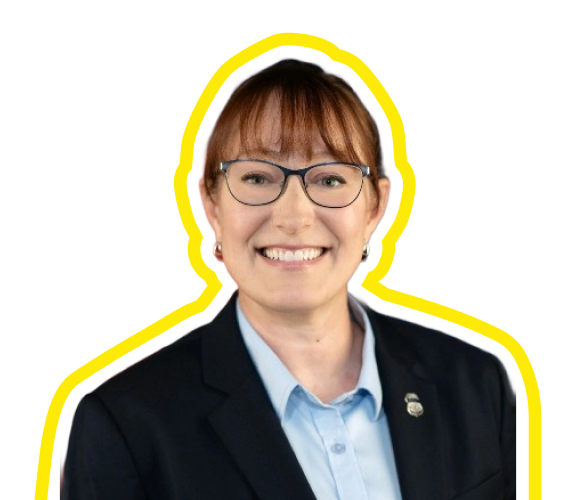
Cheryl Fall is the author of 12 how-to books, has designed more than 2,500 projects for publication, and is the host of The Creative Life with Cheryl Fall on PBS.

Sample Chapters

quilting for dummies

CHEAT SHEET

Quilting results in pieces prized for both usefulness and beauty. The long history of quilting offers ages-old tips, and modern technology throws in some shortcuts, if you want to take them. But the lingo hasn’t changed very much and tips for choosing quilting fabric remain practical as well as creative. Knowing how to apply common fabric yardages to quilting is useful, and so is having a list of all the materials that go into a finished quilt.

HAVE THIS BOOK?

Articles from
the book

If you’re quilting, you’re dealing with fabric and yardages. The following chart is a useful tool to have on hand when you’re purchasing fabric yardage. You can also refer to this chart when pulling fabrics from your own stash to make sure you have enough of your fabric of choice. (Measurements are based on the standard 44-or 45-inch fabric width.
When making bias strips for your quilt, you can either create one long strip or cut individual strips and then sew them together to get the length you need. You can use either of these methods to produce different types of bias binding. To end up with a continuous binding strip, follow these steps: Cut a 44" x 44" square of fabric (with selvages removed) in half diagonally to make two large triangles (see a in the following figure).
You can create bias strips by simply sewing strips together. Many quilters prefer this stitch-as-you-go method because it’s a good way to use up an odd-size piece of fabric. Because you're cutting bias strips instead of a perfect square, it doesn’t matter if your choice of binding fabric has been cut into previously.
A border is a strip (or strips) of fabric that frame the edges of the quilt. Your entire quilt top is usually bordered, but you can also have borders surrounding your quilt blocks or as part of the quilt block design.A quilt's borders can be wide or narrow, pieced or appliqued, or a combination of techniques. Always try to choose a border that complements rather than clashes with your blocks.
You can use the same process for making a continuous bias binding with different size fabric squares to make less binding — it all depends on what you need for your project. Use the guide below to help you estimate the amount of fabric needed to make the correct amount of binding for your project. If you want binding that’s 4 inches wide: A 44- x 44-inch square of fabric produces about 13 yards A 36- x 36-inch square produces 9 yards A 20- x 20-inch square produces only about 2.
A quilt is all about the fabric used to make it. Sure there’s batting and backing, but the design and integrity of a quilt comes from the fabrics you choose to compose it. Use the tips in the following list when choosing fabrics for your latest quilt or for your stash of materials for future quilts: Always purchase 100 percent cotton fabric for your quilts.
If you have chosen to machine quilt your project, you need to prepare your machine for the chore at hand. Each machine quilting technique requires a different type of presser foot and machine setting, so read through the following information carefully. If you have pin basted your quilt together, you must remove the safety pins as you approach them.
The double-fold binding method uses a single layer of fabric on the edges of the quilt, making it more economical than traditional bias binding. This type of bias binding isn’t quite as durable as traditional binding, so use it for projects that won’t be handled or washed frequently, such as wall hangings and table runners.
Self-binding is a quick and easy way to bind small quilting projects. Also known as fold-over binding, a self-binding is made from excess backing fabric that’s trimmed to size and folded to the front side of the quilt to enclose the raw edges. This binding is best only for small projects because it’s a straightedge binding and therefore doesn’t have the flexibility of a bias binding.
Much of the fun of starting a new quilt comes from planning the shopping trip to get the supplies you need. Even if you’re using fabric scraps you already have, you may need to find some complementary material, and you’ll probably need backing and batting at least. Use the following list as a reminder of all
When searching for cotton fabrics to use in a particular quilting project, keep in mind the look you want to achieve. Is the project a casual country quilt or a more formal Victorian design? A simple pieced block can take on many different moods depending on the style of fabric you choose. Soft pastels in tiny prints can give a project a feminine feel, whereas deep browns, rusts, and blues may give the quilt a country flavor.
Quilting results in pieces prized for both usefulness and beauty. The long history of quilting offers ages-old tips, and modern technology throws in some shortcuts, if you want to take them. But the lingo hasn’t changed very much and tips for choosing quilting fabric remain practical as well as creative. Knowing how to apply common fabric yardages to quilting is useful, and so is having a list of all the materials that go into a finished quilt.
Hang out in a fabric store long enough and you’re bound to hear some quilting lingo that you may or may not be able to translate. To help you feel more comfortable and in-the-know, here’s a quick rundown of “quilt-bonics”: Appliquéd quilt: A quilt made of fabric shapes stitched to a foundation piece of fabric to create a design.
Traditional bias binding, as you would expect, is the old-fashioned way to bind a quilt. The binding is made from a wide strip of bias-cut fabric that’s folded down the center lengthwise. Each lengthwise half of the strip is then folded again before being attached to the quilt, giving the top and back of the quilt each two layers of binding.
Quilts today, while continuing to add warmth to a household, are no longer a necessity, but rather a means of self-expression — a glorious work of art in fabric! Quilt-making today is a hobby enjoyed by men and women alike. Machine techniques have replaced tedious hand-piecing and appliqué, but modern quilt-makers still take inspiration from quilts of days past, adapting those designs and techniques to today's lifestyles.
https://cdn.prod.website-files.com/6630d85d73068bc09c7c436c/69195ee32d5c606051d9f433_4.%20All%20For%20You.mp3

Frequently Asked Questions

No items found.