|
Published:
October 9, 2026

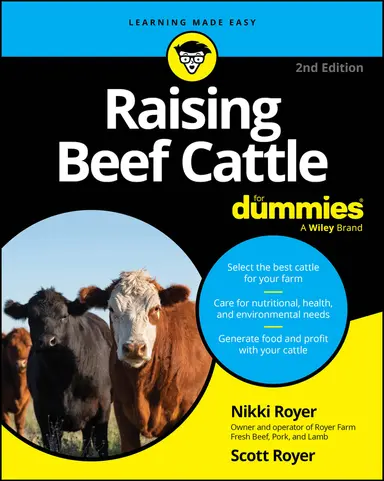
Raising Beef Cattle For Dummies

Overview

Raise happy, healthy cattle with confidence and practical know-how

Cattle farming offers rewarding opportunities for established farmers and newcomers alike, whether you want to expand an existing operation or start fresh with your first few head. Raising Beef Cattle For Dummies, 2nd Edition walks you through every stage of cattle ownership, from preparing your land and selecting the right animals to feeding, breeding, and building a profitable business.

This book covers everything you need to know about modern cattle raising, including selling cattle online, grooming techniques, and managing the financial side of your beef business. You'll find practical advice on nutrition, health care, and humane handling that balances your resources with sustainable production. Everyone from hobby farmers to 4-H members or just a person looking to turn cattle into a viable enterprise, you'll find the tips you need here.

Inside:

  • Get your property ready for cattle with proper facilities, fencing, and pasture management strategies
  • Select and purchase the right cattle for your goals, from breeding stock to market animals
  • Create daily routines that address feeding, health monitoring, and overall cattle wellness
  • Build a sustainable breeding program and understand the calving process from start to finish
  • Turn your cattle operation into a profitable business with smart pricing and marketing approaches

Whether you're adding your first calf to the farm or expanding a growing herd, Raising Beef Cattle For Dummies, 2nd Edition gives you practical guidance. It’s perfect for hobby farmers, part-time ranchers, and 4-H members ready to take the next step. Time to get mooo-ving!

Read More

About The Author

Nikki Royer is a Purdue University School of Agriculture graduate with a master’s degree in meat science. She raises cattle on a diversified family farm in Indiana.

Scott Royer is a Purdue agriculture graduate and full-time livestock producer since 2001, with experience in animal feed and animal health research.

Read an Excerpt

Excerpt Index
Table of Content
Excerpt Chapter 1
This is some text inside of a div block.
raising beef cattle for dummies

CHEAT SHEET

Beef cattle are amazing, hardy creatures that can convert otherwise unusable plants into high-quality beef for people. You can raise a few head of cattle to stock your own freezer with wholesome steaks, roasts, and other cuts of meat, or you can start your own beef cattle business and sell the butchered meat to customers.

HAVE THIS BOOK?

Articles from
the book

One of the main things you can do to keep your beef cattle healthy and content is to properly take care of their dietary needs. Here are some tips for tending to all four of your bovine's stomachs: When adding or removing feeds from your animal's diet, gradually make the change over a week or so. An abrupt switch in feedstuffs can harm the helpful bacteria in the digestive tract and cause an unsafe change in a bovine's digestive juice pH.
Sure, you can provide your beef cattle with medical care when it gets sick or hurt, but preventing disease and injury in the first place is even better. Practice the following measures to keep niggling beef cattle concerns from morphing into big problems: Provide a stress-free environment for your animals. Stress makes any living creature more susceptible to disease, and beef cattle are no exception.
Beef cattle are amazing, hardy creatures that can convert otherwise unusable plants into high-quality beef for people. You can raise a few head of cattle to stock your own freezer with wholesome steaks, roasts, and other cuts of meat, or you can start your own beef cattle business and sell the butchered meat to customers.
When raising beef cattle, you want to start off on the right hoof by selecting healthy animals and by making their transition to their new home as smooth as possible. Consider these pointers when getting started on your bovine adventure: Prepare your facilities before bringing home your first beef cattle. Your cattle need grazing areas with a good perimeter fence (either six-strand high-tensile or, at minimum, a 4-foot high woven wire), a strong pen or corral, a shelter, and clean loafing and eating areas.
https://cdn.prod.website-files.com/6630d85d73068bc09c7c436c/69195ee32d5c606051d9f433_4.%20All%20For%20You.mp3

Frequently Asked Questions

No items found.