Main Menu
Book & Article Categories
- Main Menu
Book & Article Categories
- Main Menu
Collections
Explore all collections
Featured Personal Finance Books
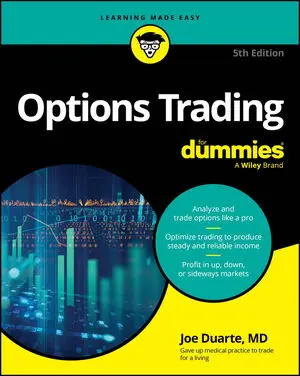
Options Trading For Dummies
An easy-to-read and authoritative collection of strategies, tools, and resources for new and experienced options traders In the newly revised fifth edition of Options Trading For Dummies, experienced finance writer, investor, and money manager, Joe Duarte, walks you through practical and actionable strategies for traders seeking to boost their income while keeping risk in check. The book explains the most common kinds of options contracts and helps you select the options most suited to your financial situation, capabilities, and goals. It also shows you exactly how to deploy options contracts to help reduce the risk associated with your trades. This plain-English resource for both beginning and advanced traders demystifies the world of options contracts and how to trade them. You'll learn about index, equity, and ETF options, as well as how to incorporate technical analysis to create a solid trading strategy. You'll also find: Up-to-date info about covered calls, butterfly positions, and other return-enhancing techniques Strategies to protect your assets and avoid common mistakes and pitfalls experienced by many first-time traders Accessible explanations of the risk-reward structure of options trading An exciting and easy-to-read resource for investors and traders at any skill level, Options Trading For Dummies is an insightful, comprehensive toolkit for anyone interested in using trading as a source of income.

Personal Finance in Your 20s & 30s For Dummies
Learn to make the simple and sound financial decisions that set you up for long-term success When you've officially begun “adulting” and it's time to make big financial decisions, Personal Finance In Your 20s & 30s For Dummies offers step-by-step advice on building a foundation for your financial futures. Bestselling author and money management guru Eric Tyson shares simple guidance on budgeting, investing, insurance, housing, and more, walking you through how to make the decisions you'll need to make to set yourself up for the rest of your life. You'll learn how to manage debt, co-manage your finances with a partner, and distinguish sound information and advice from meaningless noise and trends. The book is a roadmap to financial health and security that's straightforward enough for anyone to follow and applies to people at almost any income level. Inside the book: Conduct a complete “financial checkup” on your personal accounts Discover how to save for major life events, future goals, and unanticipated setbacks Identify trustworthy advisors and learn the difference between good advice and bad Perfect for young adults just beginning their financial journeys, Personal Finance In Your 20s & 30s For Dummies is your simple, friendly guide to creating a prosperous financial future.

Money Management Essentials For Dummies
Just the essentials you need to know to better manage your money Money Management Essentials For Dummies is your cheat sheet on becoming financially secure, now and into the future. Small and value-priced for the budget conscious, this book offers strategies for anyone to say goodbye to excess debt and prepare to achieve their goals. You'll discover the easy steps you can start taking today to get to a place of stability with your money. Create an emergency fund, manage outstanding debt, get good insurance, invest your money, and set financial goals—with this easy-to-follow guidance. This Essentials For Dummies guide will help you set yourself up for financial success. Understand how effective money management leads to financial security Build up enough savings that you can survive life's curveballs Make an achievable plan for managing debt Start investing your money and planning your estate Need easy-to-understand information to help get on track financially? Money Management Essentials For Dummies is the guide for you.
Articles & Books From Personal Finance