

 Main Menu
Book & Article Categories
- Main Menu
Book & Article Categories
- Main Menu
Collections
Explore all collections
Articles & Books From Food & Drink
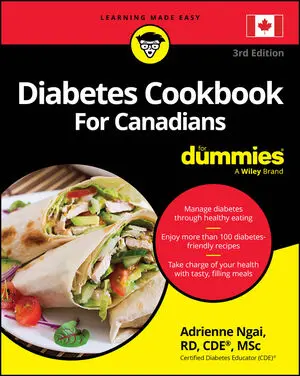
Practical and delicious recipes for people with prediabetes and diabetes looking to stay healthy and satisfied. Diabetes Cookbook For Canadians For Dummies, 3rd Edition helps you manage your condition while eating well. Inside, you'll find easy-to-follow recipes for every meal, to the point information from the latest Diabetes Canada Clinical Practice Guidelines, and guidance on treatments and lifestyle changes that can help you be and feel better.
Cheat Sheet / Updated 09-30-2025
For the more than four million Canadians who have diabetes, eating a balanced, nutritious diet is an essential part of maintaining good health. If you have diabetes, there are some great websites that you can consult for recipes, meal planning suggestions, and nutritional information. You can also follow some helpful tips when preparing food at home or eating out at a restaurant, so no matter where you are, you can maintain a healthy diet and keep your diabetes in check.

Quench your thirst for zero-proof drinks Non-Alcoholic Drinks For Dummies is full of recipes for non-alcoholic libations. With over 300 recipes for the home mixologist, this book is a great place to start learning how to make and serve tasty and satisfying alcohol-free drinks. You'll learn the history of non-alcoholic drinks, great zero-proof brands to try, and important tools and ingredients you'll need to strengthen your mixing skills.
Cheat Sheet / Updated 07-09-2025
Non-alcoholic (NA) or alcohol-free drinks aren’t just for pregnant women or designated drivers anymore, nor should they be. For many, not drinking alcohol is simply a lifestyle choice. Everyone should be able to order whatever they want and feel comfortable when participating in a bar or party experience. Whether you're a professional or home bartender, you should be offering non-alcoholic options (besides just soda or water) to your guests.

Become a wine connoisseur with this fun guide to the complex world of wine Wine For Dummies helps you explore everything there is to know about wine—the different regions, types, flavor profiles, pairing techniques, and beyond. This edition is updated with the latest, must-know wine varieties and styles, so you can start building your collection (or just know what to order when you're out at restaurants) and discover pro tips on how to sip, share, and store it.
Cheat Sheet / Updated 06-23-2025
Selecting a wine you like is easy when you know how to taste wine, can use appropriate terms to describe wine, can decode wine names, are happy to approach the selecting process with confidence, and know a little about what wine goes well with what food. This Cheat Sheet is designed to help you do just that!Quick guide to wine tastingKnowing how to taste wine not only helps you look like you know what you’re doing — it also helps you enjoy all the aromas and flavors that the winemaker intended.
Article / Updated 05-02-2025
Want to be the life of the party? Learn how to make a margarita that’s sure to be a hit! This margarita recipe is easy to follow and will have your guests coming back for more. Whether you’re a professional bartender or just want to impress your friends, this classic drink is a must-have in your repertoire. Ingredients1 oz.

Satisfy your dessert cravings without spiking your blood glucose Diabetes Desserts Cookbook For Dummies busts a common myth about diabetes—that desserts aren't allowed! As long as you plan ahead and use whole ingredients, delicious options like cakes, cookies, and brownies are still on the menu. This book features 125 flavor-forward, healthy treats that are mouthwatering enough for a menu but simple enough to make at home.

Simple advice on avoiding gluten, balancing your diet, and keeping your gut healthy Whether you're choosing to cut out gluten due to medical necessity or by choice, Gluten-Free All-In-One For Dummies helps you adapt to a gluten-free lifestyle and shows you how to steer clear of gluten, inside and outside the home.
Cheat Sheet / Updated 11-13-2024
If you’re interested in consuming more extra-virgin olive oil for its flavor and health benefits, it’s important to be able to distinguish it from other types of olive oil. The olive oil classification is a formal series of definitions established by the International Olive Council (IOC). The IOC is responsible for promoting and regulating olive oil industries worldwide, and its members consists of major olive-producing countries.

