
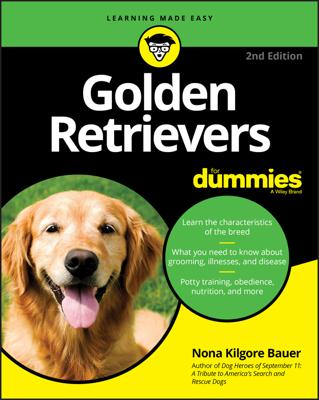
Is the Labrador Retriever the Right Breed for You?
Is the Labrador Retriever the right breed for you? This relatively simple question is vitally important. Too many people get a Labrador Retriever on a whim — without any thought as to how that breed will fit into their lifestyle or home. This is one of the primary reasons why there are so many dogs in animal shelters.
Maybe you've always pictured life with the perfect lab. Maybe you imagine the two of you jogging in the park, your dog in a perfect heel, watching out for your safety and enjoying your company. But when it comes to living with a breed, you have to take more than just the fantasy into consideration. You need to think about the pros and cons of Labrador Retrievers and whether they are a good fit for your family.
Labrador Retrievers are the most popular breed of dogs in the world. They were cute and lovable and wonderful companions. Aside from their sweet nature, Labs are excellent retrievers for hunting purposes and great all around working dogs. If you keep him out of trouble, teach him the basics of what you want him to do, and make his good behavior rewarding for him, he will compensate you with years of devoted friendship.
Before deciding on a Lab take the following into consideration:
Do you have the time?
You may feel ready to take on the responsibility of a dog, but you may not realize how much time a Lab requires. Your Lab will need daily training sessions, lots of purposeful socialization as a puppy, and time to simply hang around with you.
If you aren't home very often or have too much on your plate when you are home, enjoy a friend's Labrador Retriever now and then, but don't take on your own.
Do you have the energy?
Labs require as much energy as time. Your Lab will need to be walked at least once a day, taken for occasional swims, and given the opportunity to do lots of retrieving, the thing they love best.
If you're a certified couch potato, your Lab might be able to adjust, but he won't be as healthy, and Labs that aren't provided outlets for their energy may become destructive. If you aren't up to the physical challenge, consider a less active or smaller dog — or perhaps, a cat.
Overweight Labs are unhealthy. Try using halved baby carrots or small broccoli florets as treats rather than dog biscuits, which are often too caloric to be used daily.
Do you have the space?
The ideal situation for a Lab is a single-family, detached house with a fenced yard or a country home with lots of fenced land. Other situations can work, too, if you walk your Lab religiously and train her well.
If you don't have the living space for a large dog, don't bring home a Labrador Retriever. Likewise, if you live in a tiny apartment with no yard and can't walk your dog every day, or if you like your home immaculate, please consider another type of dog.
Do you have the money?
Purchasing a Labrador Retriever through a breeder can cost anywhere from $300 to $1,000 (more if you want a competition-quality dog), although adopting a Lab is less expensive. That being said, the cost of buying a dog doesn't compare to the cost of keeping a dog healthy and well-behaved throughout its life.
If you can barely afford groceries or medical bills for yourself and your own family, don't bring any dog, Lab or otherwise, into your home until you're on a firmer financial footing.
Some people dream of getting a dog for all the wrong reasons. Every dog and every Lab is different. Before considering a Lab, it is important to remember that Labs need training, attention, exercise, veterinary care, and a regular routine. They are active, boisterous, large, and sometimes overly affectionate animals.

Dogs Glossary
A-B-C assessment
Checking a dog’s airway, breathing, and circulation.

Dogs Glossary
animal shelter
1. An animal control agency run by local government to protect people from animals, take in strays, and manage animal issues and problems within the community. 2. A privately run shelter managed by individuals who want to protect, advocate for, and find homes for animals.

Dogs Glossary
BARF diet
A method of feeding dogs as closely as possible what they would eat in the wild: raw flesh and bones, along with vegetable matter from the stomachs of their prey. The acronym stands for either Bones and Raw Food or Biologically Appropriate Raw Food.

Dogs Glossary
blow out
A twice-yearly shedding of a dog’s undercoat.

Dogs Glossary
blue slip
An application to register a purebred puppy.

Dogs Glossary
breeder
A person who raises, sells, and often shows dogs of a specific breed. Reputable breeders screen parent dogs in an effort to produce healthy dogs that conform to breed standards.

Dogs Glossary
castrate
The removal of a male dog’s testicles to render him infertile.

Dogs Glossary
check
A crisp, brief snap on a dog’s leash to discourage his current behavior.

Dogs Glossary
clicker
A small hand-held device that makes a sharp cracking sound when pressed. Paired with a food reward, an effective dog-training tool.

Dogs Glossary
cohesive bandage
A stretchy wrap that clings to itself used to cover and secure gauze bandages without tape.

Dogs Glossary
come into season
The advent of a female dog’s term of fertility.

Dogs Glossary
dead ring
The stationary ring on a training collar that pulls on the collar, not the dog’s neck.

Dogs Glossary
double coat
Two layers of fur — a top coat of stiff guard hairs and an undercoat that serves as insulation.

Dogs Glossary
dropped ears
The term for hanging or drooping dog ears.

Dogs Glossary
Elizabethan collar
A wide, cone-shaped plastic or cardboard collar that prevents a dog from being able to scratch her head. Used to prevent further injury or hasten healing.

Dogs Glossary
euthanize; put to sleep
To kill an animal to relieve suffering.

Dogs Glossary
fall
Hair that extends over a dog’s eyes.

Dogs Glossary
feathering
Long hair that runs from armpit to paw on the backs of a dog’s legs.

Dogs Glossary
free-feeding
Keeping a constant supply of dog food available so that the dog can decide when and how much to eat. It works best in single-dog households where there’s no competition for food.

Dogs Glossary
heartworms
Parasites that live in dogs’ hearts and cause heart failure. They’re transferred through mosquito bites.

Dogs Glossary
heat
The period when a female dog is fertile.

Dogs Glossary
heel
A command and position in which a dog walks at your left side staying with you as you change direction or pace.

Dogs Glossary
hip dysplasia
A painful malformation of a dog’s hip socket. Some breeds are genetically predisposed to the condition.

Dogs Glossary
hot spot
A localized area of skin infection. It’s usually round, red, and warm to the touch.

Dogs Glossary
live ring
The floating ring of a training collar. Attach a leash to this ring for training purposes.

Dogs Glossary
neuter
A general term to describe either spaying or castrating a dog to render it infertile. Neutering and castrating are often used interchangeably.

Dogs Glossary
pantaloons
The tufts of hair on the backs of a long-haired dogs legs that make him look like he’s wearing bloomers.

Dogs Glossary
pedigree
A diagram of a dog’s ancestors for three or more generations that lists the registered names of the dogs and the titles they earned.

Dogs Glossary
pinch collar
A training collar with interlocking prongs that pinch a dog’s neck when tugged on. Some veterinarians recommend them above all other collars for training purposes.

Dogs Glossary
praise
A verbal reward for a dog , such as an enthusiastic good dog!

Dogs Glossary
prong collar
A training collar with interlocking prongs that pinch a dog’s neck when tugged on. Some veterinarians recommend them above all other collars for training purposes.

Dogs Glossary
pulse
Normal dog pulse is between 70 and 120 beats per minute. The pulse of a puppy ranges from 120 to 160 beats per minute.

Dogs Glossary
puppy mill
A place that supplies puppies to pet stores, usually without screening for possible genetic defects or properly socializing the puppies.

Dogs Glossary
quick
The pink part of a dog’s toenail. It supplies blood to the nail.

Dogs Glossary
registration certificate
The paper certifying a dog’s registration with an accredited organization.

Dogs Glossary
registration slip
An application to register a purebred puppy.

Dogs Glossary
release word
A word that lets a dog know that she is free to move.

Dogs Glossary
rescue group
A network of animal lovers who rescue and find new homes for their favorite breeds or animals.

Dogs Glossary
reward
To give a dog a treat for a correct response while he’s still in the desired position.

Dogs Glossary
ruff
The long, thick fur around a dog’s chest, shoulders, and neck.

Dogs Glossary
separation anxiety
A condition in which your dog becomes anxious and stressed when you leave him.

Dogs Glossary
shed
A twice-yearly process of casting off the undercoat in a double-coated dog.

Dogs Glossary
single coat
A single layer of hairs that comprises a dog’s fur.

Dogs Glossary
spay
To remove of both the uterus and the ovaries of a dog to render her infertile.

Dogs Glossary
stripping
Plucking the dead hairs from a dog’s coat.

Dogs Glossary
titer tests
Tests that check a dog’s immunity levels to determine exactly which vaccinations are needed.

Dogs Glossary
top coat
The top layer of a double-coated dog composed of stiff guard hairs that tend to be naturally water-repellant. The top coat protects the dog’s skin and undercoat.

Dogs Glossary
training collar
A collar that enables you to guide your dog and to check her as necessary — a brief, sharp tug tightens the collar around the dog’s neck.

Dogs Glossary
treat cup
A plastic container filled with small treats or dog food. Shake it and give treats from it as a reward as you train a dog.

Dogs Glossary
undercoat
Fleecy or downy fur shorter than the top layer of a double-coated dog. The undercoat serves as insulation.