
How to Discuss Transportation in American Sign Language
Whether you need to get around town or want to see the world, travel requires transportation of some sort. The signs in this table can help you arrange your free-wheeling adventures.
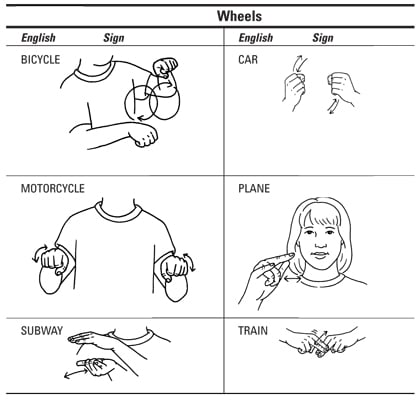
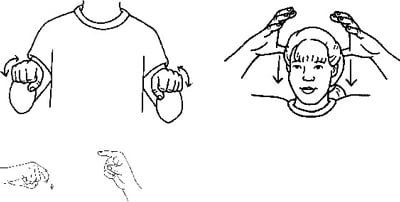
Bus is fingerspelled B-S — leave out the u. To sign driving a bus, mimic a truck-size steering wheel at the lower chest level, wrap your hands around the imaginary wheel and steer back and forth. This motion also works for trucks, RVs (after you fingerspell R-V), or any large vehicle. Just fingerspell the big rig first.
Get the wheels in motion, so to speak, by using these automotive signs:
English: The car was in an accident.
Sign: CAR ACCIDENT
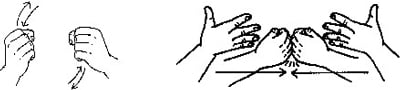
English: If I miss the train, I’ll fly.
Sign: TRAIN MISS — FLY ME
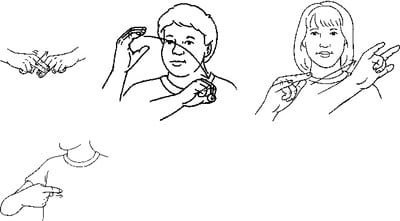
English: You need a motorcycle helmet.
Sign: MOTORCYCLE HELMET — NEED YOU
Language Phrases Glossary
accusative case
When noun or pronoun is the direct object of the verb of the sentence, you are required to switch to the accusative case ending.

Language Phrases Glossary
dative case
When noun or pronoun is the indirect object of the verb of the sentence, you are required to switch to the dative case ending.

Language Phrases Glossary
genitive case
When the noun or pronoun indicates possession, you are required switch to the genitive case ending.

Language Phrases Glossary
instrumental case
A Russian grammatical term that indicates that the noun or pronoun assist in the carrying out of an action, you are required to switch to the accusative case ending.

Language Phrases Glossary
interrogative
Words used to ask questions, such as who, what, when, where, and why.

Language Phrases Glossary
macron
A small, horizontal mark above the vowel that indicates a long vowel sound. Make the vowel sound like its name.

Language Phrases Glossary
nominative case
When noun or pronoun is the subject of the sentence, you are required to switch to the nominative case ending.

Language Phrases Glossary
prepositional case
A grammatical case that indicates that the noun or pronoun is the object of a preposition, you are required to switch to the accusative case ending. Used with the Russian prepositions: v (v; in), na (nah; on), o (oh; about), and ob (ohb; about).