How to Describe Symptoms and Illnesses in American Sign Language
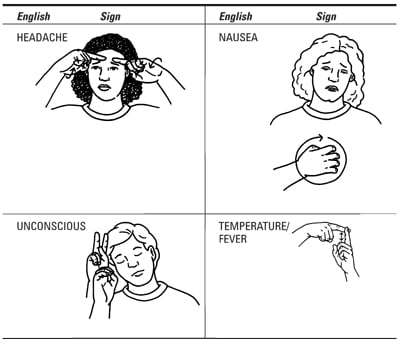
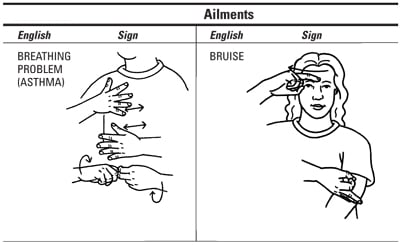
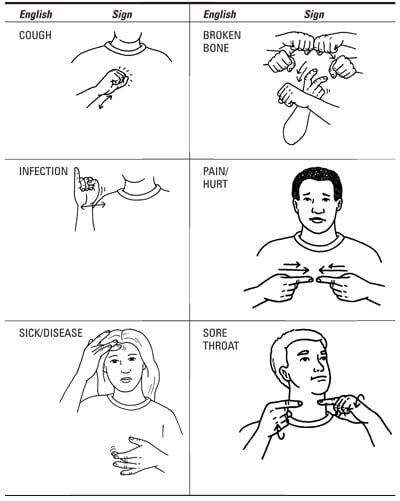
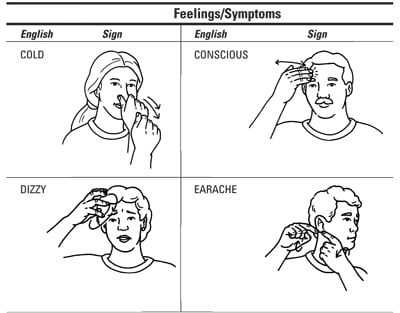
Knowing the American Sign Language (ASL) signs for symptoms of illness can really help you figure out the best way to handle a medical problem. Like with talking, signing is sometimes difficult when you don’t feel well, but it’s a necessary part of receiving help. The signs in this table can take the sting out of communicating your problem.
Knocked out is signed K-O. With the dominant hand, start the K handshape at eye level with the O handshape ending at your mouth. Complete the Sign with closed eyes while bending your head to the side or in front.
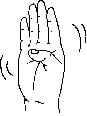
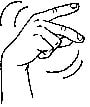
If you sign BLUE or PURPLE, and then circle the area with your index finger, it means the area is bruised. Here's how you sign those colors:
Blue
Purple
Language Phrases Glossary
accusative case
When noun or pronoun is the direct object of the verb of the sentence, you are required to switch to the accusative case ending.

Language Phrases Glossary
dative case
When noun or pronoun is the indirect object of the verb of the sentence, you are required to switch to the dative case ending.

Language Phrases Glossary
genitive case
When the noun or pronoun indicates possession, you are required switch to the genitive case ending.

Language Phrases Glossary
instrumental case
A Russian grammatical term that indicates that the noun or pronoun assist in the carrying out of an action, you are required to switch to the accusative case ending.

Language Phrases Glossary
interrogative
Words used to ask questions, such as who, what, when, where, and why.

Language Phrases Glossary
macron
A small, horizontal mark above the vowel that indicates a long vowel sound. Make the vowel sound like its name.

Language Phrases Glossary
nominative case
When noun or pronoun is the subject of the sentence, you are required to switch to the nominative case ending.

Language Phrases Glossary
prepositional case
A grammatical case that indicates that the noun or pronoun is the object of a preposition, you are required to switch to the accusative case ending. Used with the Russian prepositions: v (v; in), na (nah; on), o (oh; about), and ob (ohb; about).