
How to Deal with Common Garden Diseases
Many names of plant diseases describe the symptoms they cause, such as powdery mildew, leaf curl, and club root diseases. Some diseases attack only one plant part, whereas others can affect the entire plant.
The following list describes some of the most common garden diseases:
Anthracnose: This fungi attacks beans, vine crops, tomatoes, and peppers. Look for small, discolored leaf spots or dead twigs. Prune off affected plant parts. Fungicides containing copper can help.
Club root: This fungus infects mainly cole crops. Symptoms include stunted growth, wilting, poor development, and swollen lumps on the roots. Raise the soil pH to 7.2, and avoid planting susceptible crops in infected soil for at least seven years.
Corn smut: This fungus disease causes large, mutant-looking, white to gray swellings on corn ears. Prevent the disease by planting resistant corn varieties and rotating crops.
Damping off: This fungus rots the stems of young plants near the soil line. Prevent by planting only in pasteurized planting soil and avoiding overwatering.
Fusarium wilt: The symptoms are yellowing leaves and stunted growth, followed by wilting and plant death. In melons, the stems develop a yellow streak, which eventually turns brown. After plants are infected, no cure is possible. Build your soil's health so that it contains lots of beneficial microorganisms, you should rarely be bothered with this disease.
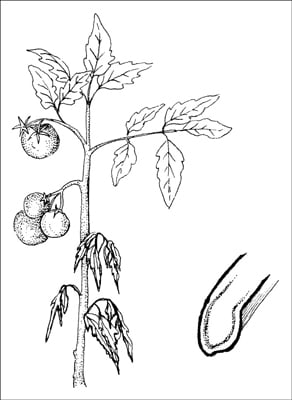
Fusarium wilt is fatal to many vegetable crops.
Leaf spots and blights: Several fungi show up first as circular spots on plant leaves. The spots increase in size until the leaves die and fall off. The fungi spread if overhead watering wets the foliage. Try botanical and biological fungicides first, using copper-based fungicides only as a last resort.
Mildew (downy and powdery): These two fungi produce similar symptoms: a white, powdery coating on leaves. The fungi disfigure plants but may not kill them. Use potassium bicarbonate, superfine horticultural oil, or neem oil to treat infected plants.
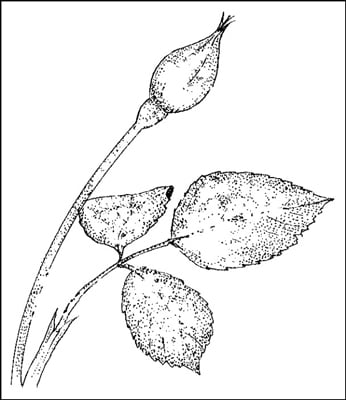
Powdery mildew infects vegetables, and many flowering plants.
Root rot: Several fungal root diseases cause susceptible plants to turn yellow, wilt, and die. Plants are susceptible when the soil is too moist or poorly aerated. The fungi can survive in the soil for many years. Prevent root rot by building healthy, well-drained soil.
Rust fungus: Rust fungus is most prevalent in humid and damp conditions. Provide good air circulation, remove and destroy infected foliage, and keep your tools clean.
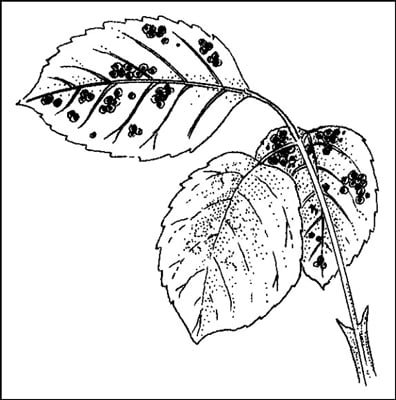
Rust fungus forms yellow or orange bumps on leaf undersides.
Verticillium wilt: This fungus affects tomatoes, eggplant, potatoes, raspberries, strawberries, roses, Japanese maples, olives, and cherries. Look for wilting and yellow leaves. The leaves may curl up before falling off. Choose resistant varieties, and practice crop rotation.
Viruses: This group of incurable diseases infects vegetables, brambles, strawberries, trees, and flowering plants. The leaves develop mottled yellow, white, or light green patches and may pucker along the veins. Flowers may develop off-color patches, and fruit ripens unevenly. Aphids, leafhoppers, nematodes, and whiteflies spread the virus as they move from plant to plant. Prevention is the only strategy.

Gardening Glossary
annuals
Plants that complete their entire life cycle within one growing season. The plant germinates from seed, grows and blooms, and then produces seed and dies.

Gardening Glossary
biennials
A plant that take two growing seasons to complete its life cycle. It germinates and grows leaves and stems in the first year; produces flowers and fruit (seed) in the second, and then dies.

Gardening Glossary
bolt
When a plant flowers or produces seed prematurely.

Gardening Glossary
cold frame
A wooden or concrete block box in which you can grow plants or hold dormant during the cold winter months.

Gardening Glossary
cole crops
A family of vegetables, including broccoli, cabbage, cauliflower, kale, and Brussels sprouts. They thrive in cooler weather.

Gardening Glossary
complete fertilizer
Any fertilizer that contains all three of the primary nutrients, N-P-K (nitrogen, phosphorus, potassium). Phrase is based on regulations governing the fertilizer industry. Does not mean that the fertilizer literally contains everything a plant needs to thrive.

Gardening Glossary
deadheading
The practice of pinching or cutting off spent flowers

Gardening Glossary
evaporative-pad humidifier
A humidifier in which fans blow across a moisture-laden pad that sits in a reservoir of water.

Gardening Glossary
harden off
The process of acclimating plants grown indoors gradually to the brighter light and cooler temperatures of the outside world.

Gardening Glossary
hardiness
The ability of a plant to survive is called its hardiness.

Gardening Glossary
humus
A stable end product of organic-matter decomposition that's believed to increase microbial activity in soil, improve soil structure, and enhance the root development of plants.

Gardening Glossary
Bacillus thuringiensis Bt
An effective bacteria that attacks only the larvae of caterpillar family insects. It is safe to other insects, animals, and humans.

Gardening Glossary
macronutrients
Mineral nutrients that plants need in the largest quantities: nitrogen, phosphorus, potassium, calcium, magnesium, and sulfur.

Gardening Glossary
mulch
Organic or inorganic material placed over the surface of soil, usually directly over the root zone of growing plants. Used to conserve moisture, kill weed seedlings, modify soil temperature, provide attractive covering to garden beds.

Gardening Glossary
organic matter
Once-living stuff like compost, sawdust, animal manure, ground bark, grass clippings, and leaf mold (composted tree leaves). Used to enrich soil and improve soil texture.

Gardening Glossary
perennials
Any plant with a life cycle of three or more years. Herbaceous (non-woody) perennials include flowering plants and herbs, mainly. Woody perennials include trees and shrubs. Longevity depends on the plant and growing conditions.

Gardening Glossary
pH
The measure of soil's acidity. Soil with low pH means it's too acidic; soil with high pH means it's alkaline. Most plants grow best in soil with a pH value between 6.5 and 7.2. Neutral soils measure 7.

Gardening Glossary
photosynthesis
The process through which plants take nutrients from the air and from the water in the soil to produce sugars that fuels the plant's growth.

Gardening Glossary
primary nutrients
Nitrogen, phosphorous, and potassium are the three nutrients plants need in the largest quantities.

Gardening Glossary
root crops
Plants with edible underground roots such as onions, carrots, beets, potatoes, turnips. Most root crops are cold-weather crops.

Gardening Glossary
self-blanching
A type of cauliflower with leaves that naturally curl over the head and exclude light. Requires cool temperatures for leaves to curl effectively.

Gardening Glossary
sets
Small onion bulbs, about 1/2-inch wide, that were started from seed the previous year. Grow onion sets with the pointy end up.

Gardening Glossary
side-dressing
The act of adding a small amount of fertilizer around or "on the side" of plants after they're growing.

Gardening Glossary
succession planting
Planting small, 2-to-4-foot patches of plants every two weeks throughout the growing season so that you can harvest a crop over an extended period of time.

Gardening Glossary
thinning
The act of cutting the least robust seedlings in your garden to give the healthier plants more room to grow.

Gardening Glossary
vining crops
Crops that grow on vines, such as cucumbers, melons, pumpkins, and winter squash. They usually require support (staking, trellising, etc.) to keep them off the ground.